服务热线
177-2116-7289

In the intricate dance of international relations, the act of gift-giving to foreign friends is not merely a gesture of kindness, but a profound expression of cultural exchange, respect, and the desire to foster deeper bonds. It is a language that transcends words, a silent dialogue that speaks volumes about one's values, traditions, and the weight of the relationship being honored.
Choosing a gift for a foreign friend is an exercise in cultural sensitivity and awareness. It demands a thoughtful consideration of the recipient's cultural background, beliefs, and preferences. For instance, a symbol that might be auspicious in one culture could be deemed inappropriate or even offensive in another. The color red, a symbol of luck and prosperity in China, might not resonate with the same warmth in a country where it is associated with danger or negativity. Similarly, a gift that is highly valued in one society might be perceived as ordinary or unimpressive in another. A handcrafted item from a local artisan, prized for its uniqueness and artisanal touch in one country, might be overshadowed by the allure of high-end branded goods in another.
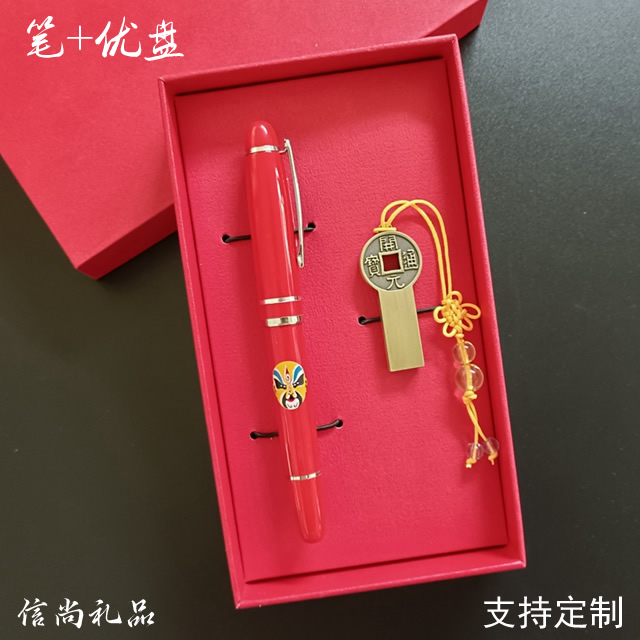
Beyond the physical attributes of the gift, the act of giving itself is steeped in etiquette and protocol. In some cultures, the presentation of the gift is as important as the gift itself, with elaborate ceremonies and rituals attached to the exchange. The manner of wrapping, the timing of the presentation, and even the use of both hands to offer the gift can communicate volumes about the sincerity of the giver's intentions and the depth of their respect for the recipient.
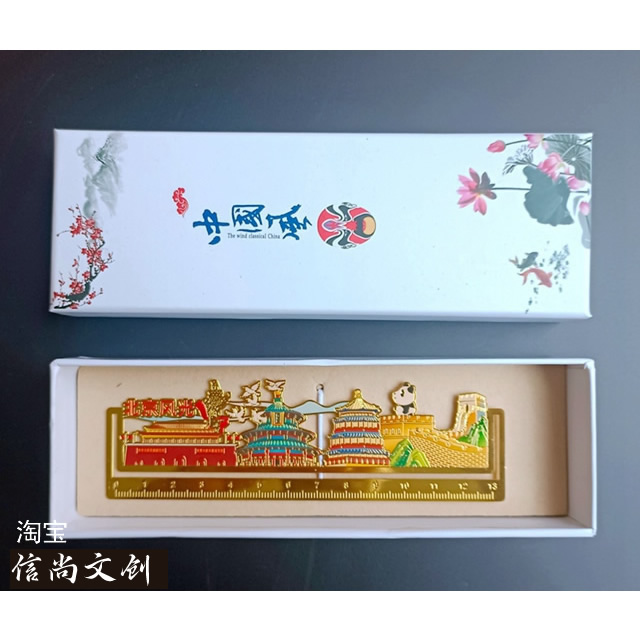
The art of gift-giving also serves as a powerful tool for cultural education and understanding. It provides an opportunity to share stories, histories, and traditions that might otherwise remain untold. A carefully chosen gift can be a window into a country's rich tapestry of arts, crafts, and cultural heritage. For example, a hand-painted silk scarf from China or a set of hand-carved wooden bowls from Africa not only offer a tangible expression of friendship but also serve as conversation starters about the craftsmanship and cultural significance behind them.

In this age of globalization, where physical distances are increasingly being bridged by technology and connectivity, the act of gift-giving retains its primal importance in fostering and maintaining personal relationships. In a world where virtual interactions often replace face-to-face meetings, the tangibility of a thoughtfully chosen gift can cut through the noise of digital communication, serving as a powerful reminder of the warmth and depth of human connection.
Moreover, gift-giving to foreign friends can serve as a bridge between diverse worldviews, promoting tolerance and understanding among people of different nationalities and beliefs. It is an acknowledgment of shared human experiences and emotions that transcend cultural and geographical boundaries. The simple act of exchanging gifts can pave the way for more meaningful dialogues and collaborations, fostering a global community that is more interconnected and empathetic.
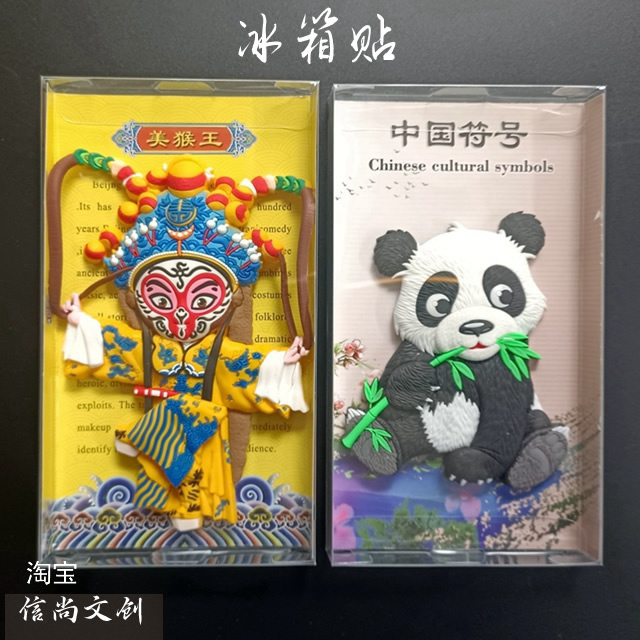
In conclusion, the art of gift-giving to foreign friends is a multifaceted endeavor that requires thoughtfulness, cultural awareness, and a genuine desire to foster meaningful relationships. It is an expression of not only our appreciation for others but also a reflection of our values, traditions, and aspirations as a global community. Through this act of giving, we have the opportunity to learn from each other, to share our stories, and to build bridges that bring us closer together in understanding and respect.