服务热线
177-2116-7289

In the intricate dance of international relations, the exchange of gifts is more than a mere transaction; it is a deeply symbolic ritual that speaks volumes about culture, respect, and friendship. Selecting the perfect gift for a foreign friend can be a delicate balancing act, requiring a nuanced understanding of cultural norms and personal preferences. It is an opportunity to share a piece of one's own world, while also acknowledging and celebrating the uniqueness of the recipient's.
The first step in this endeavor is research. Understanding the recipient's cultural background is paramount. What is considered appropriate and thoughtful in one culture may be perceived as offensive or insouciant in another. For instance, in some cultures, giving clocks or handkerchiefs may be seen as taboo, symbolizing the passing of time or tears, respectively. Conversely, in others, these items may hold no such connotations. It is important to familiarize oneself with these subtleties to avoid any missteps.
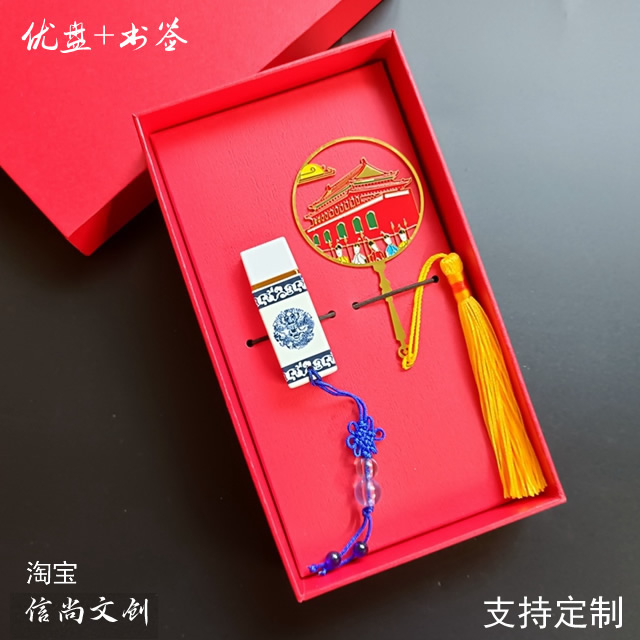
Beyond cultural considerations, personal preferences and interests should also be taken into account. A gift that aligns with the recipient's hobbies or passions is not only more likely to be appreciated, but also demonstrates a thoughtfulness and attention to detail that can deepen the bond between giver and receiver. Whether it is a rare book for an avid reader, a unique musical instrument for a music lover, or a piece of artisanal craft for someone with an appreciation for art and design, selecting a gift that speaks to the recipient's individuality is key.
Quality is another important aspect to consider. A well-made gift, regardless of its monetary value, conveys respect and care. It is a testament to the effort and thoughtfulness put into the selection process. This is not to say that expensive gifts are always the best choice; often, it is the thought and consideration behind the gift that matters most. A handmade item, a carefully curated collection, or a unique experience can all be meaningful gifts that speak volumes about the relationship between giver and receiver.
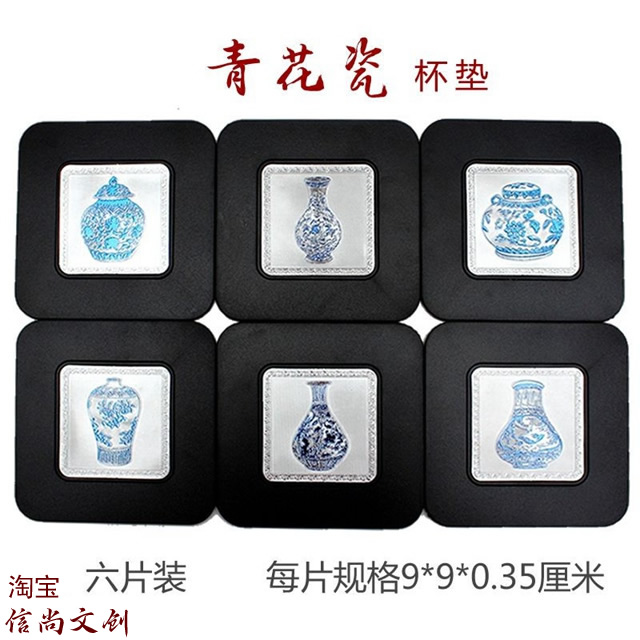
Packaging and presentation are also integral parts of the gift-giving process. In many cultures, the wrapping and presentation of a gift are as important as the gift itself. They are an extension of the giver's thoughtfulness and care. A beautifully wrapped gift, accompanied by a handwritten note expressing warm wishes and gratitude, can add an extra layer of meaning and depth to the exchange.
Finally, it is worth mentioning that the act of gift-giving itself is a form of communication. It is an opportunity to express feelings that may be difficult to articulate through words alone. A thoughtfully selected gift can convey respect, admiration, gratitude, or friendship in a way that transcends language barriers and cultural differences. In this sense, the perfect gift is not just an object; it is a symbol of the bond between two people, a tangible representation of the intangible ties that bind them together.
In conclusion, selecting a gift for a foreign friend is both an art and a science. It requires a blend of cultural awareness, personal insight, and thoughtful consideration. Done well, it can be a powerful gesture of friendship and respect that bridges cultural divides and strengthens interpersonal bonds. As with any meaningful exchange, it is the thoughtfulness and care behind the gesture that ultimately matters most.