服务热线
177-2116-7289

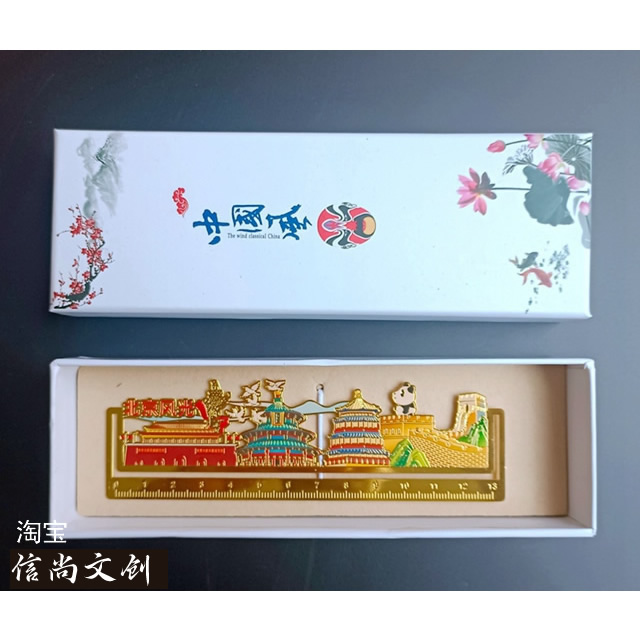
In the intricate dance of international relations, the exchange of gifts is more than a simple act of kindness or generosity. It is a language, rich in cultural nuances, that speaks volumes about the giver and their respect for the recipient. When it comes to presenting gifts to foreign friends, the stakes are particularly high, as the gesture carries the weight of cultural expectations, personal relationships, and diplomatic niceties.
Gifts are symbolic. They are extensions of ourselves, representations of our thoughts, feelings, and values. In many cultures, the act of gift-giving is deeply ingrained in social rituals and ceremonies, marking occasions as diverse as weddings, births, deaths, and festivals. To a foreign friend, a gift can be a powerful token of friendship, a physical manifestation of the invisible bond that ties people together across borders and oceans.
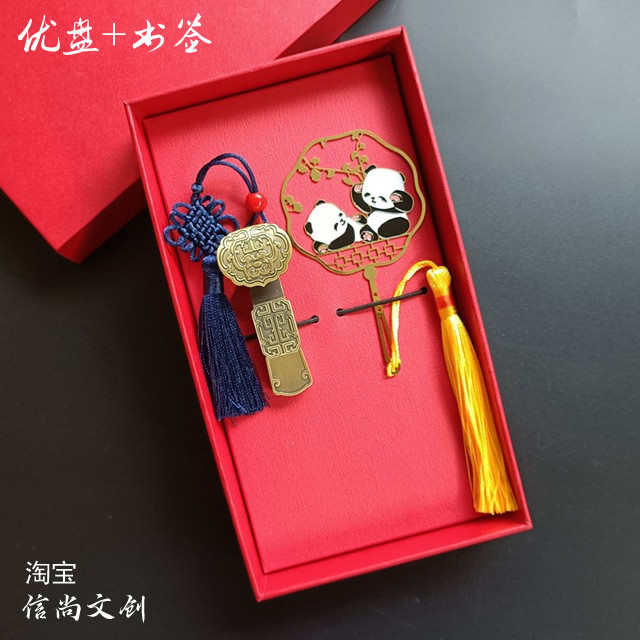
Selecting a gift for a foreign friend is an exercise in cultural sensitivity and awareness. It requires a delicate balance between considering the recipient's cultural background, personal preferences, and the occasion for which the gift is being given. Here are some key considerations:
1、Cultural Norms and Taboos: What is considered an appropriate gift in one culture may be offensive in another. For instance, certain flowers or colors might carry specific meanings in some cultures that could be misinterpreted. It's crucial to research and understand these nuances to avoid any faux pas.
2、Personal Preferences: While cultural norms provide a broad framework, it's important to tailor the gift to the individual. Consider their hobbies, interests, or professional pursuits. A thoughtful gift that speaks to their passions will be deeply appreciated.
3、Occasion: The occasion for which the gift is being given heavily influences the choice of gift. A birthday present might be more personal and indulgent, whereas a gift for a business associate should reflect professionalism and respect for their work.
4、Presentation: The wrapping and presentation of the gift are often as important as the gift itself. In some cultures, beautiful wrapping is seen as an extension of the giver's thoughtfulness and respect for the recipient.
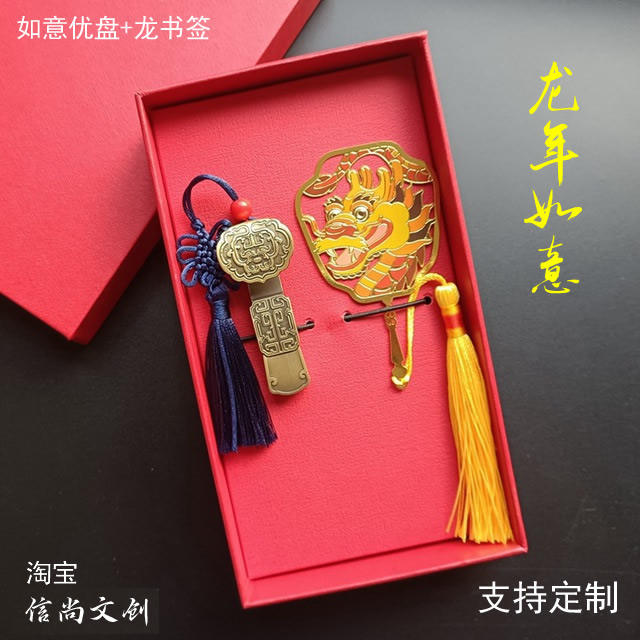
To illustrate the diversity of thoughtful gifts, consider the following examples:
1、For the Foodie: A hamper filled with local delicacies or high-quality ingredients from your country can be a treat for the senses, providing a culinary journey through your culture.
2、For the Art Lover: A piece of art or craft that represents your country's traditional techniques or contemporary art scene can be both aesthetically pleasing and culturally significant.
3、For the Bookworm: A classic or contemporary book translated into their language can open up a world of literature and ideas.
4、For the Business Associate: A high-quality writing instrument or a piece of professional attire can be a subtle yet powerful way to show respect for their work ethic.
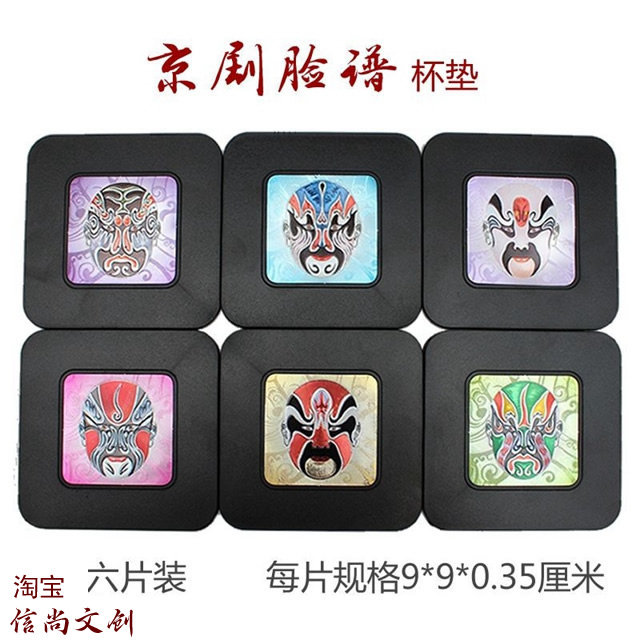
Beyond the gift itself, the ceremony of gift-giving involves a set of unwritten rules and expectations. These vary widely across cultures but generally involve some form of gracious acceptance and acknowledgment by the recipient. In some cultures, it might be customary to refuse a gift initially as a sign of humility, while in others, direct acceptance is expected. Understanding and respecting these protocols is essential to ensuring a smooth and enjoyable exchange.
In conclusion, gift-giving to foreign friends is an art that demands attention to detail and a deep understanding of cultural dynamics. Done correctly, it can forge lasting bonds and create memories that transcend language and cultural barriers. As you embark on this journey of selecting the perfect gift for your foreign friend, remember that it's not just about the object you're giving but the thought, care, and respect you're putting into the gesture.