服务热线
177-2116-7289

In the vibrant tapestry of international relationships, the exchange of gifts is a thread that binds cultures and forges friendships. When it comes to selecting a gift for a foreign friend, the choice is not merely about the item itself but also about the cultural significance and personal meaning it carries. This guide aims to assist in navigating the often-complex world of cross-cultural gift-giving, ensuring that your gesture is not only well-received but also deeply appreciated.
The Essence of Gift-Giving

First and foremost, it is essential to understand that gift-giving varies widely across cultures. In some cultures, gifts are expected and even necessary to show respect or gratitude, while in others, they might be considered an imposition. Therefore, it is crucial to research the norms and expectations of gift-giving in your friend's culture. This will help you avoid any faux pas and ensure that your gift is appropriate and well-received.
Consider the Context
The context of the gift exchange is equally important. Is it for a birthday, a housewarming, or a simple token of appreciation? Each occasion calls for a different type of gift. For instance, a birthday might warrant a more personal and thoughtful present, while a housewarming might require something practical for the home.
The Language of Gifts
Gifts often speak a language beyond words. They can communicate respect, friendship, gratitude, or even love. Consider what message you want your gift to convey. Is it a symbol of your shared experiences? A token of your appreciation for their hospitality? Or a way to introduce them to a unique aspect of your culture?
Cultural Sensitivity
When selecting a gift, be mindful of cultural sensitivities. Avoid gifts that might be considered offensive or inappropriate in your friend's culture. For example, certain animals or colors might have specific meanings that could be misinterpreted. Similarly, religious or political symbols could be divisive or even offensive.
The Art of Personalization
Personalization is key in gift-giving. A gift that speaks to your friend's interests, hobbies, or passions will always be more meaningful than a generic one. Has your friend expressed an interest in a particular book, music genre, or artisanal craft? Use this information to your advantage and find something that will truly resonate with them.
The Joy of Discovery
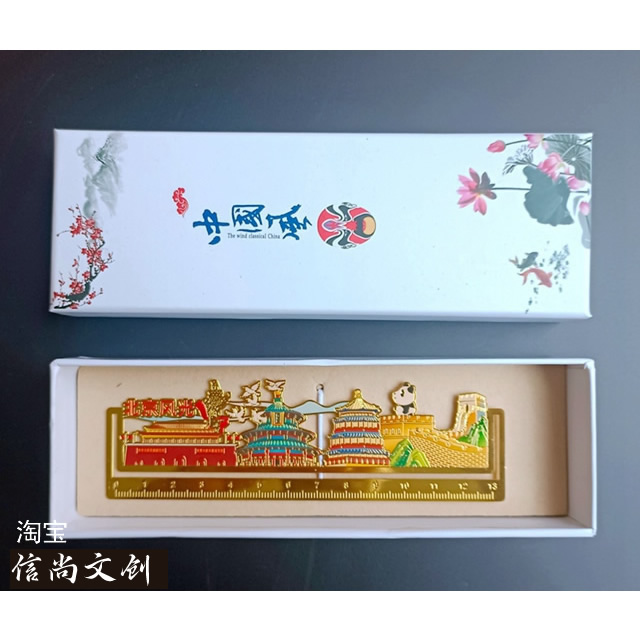
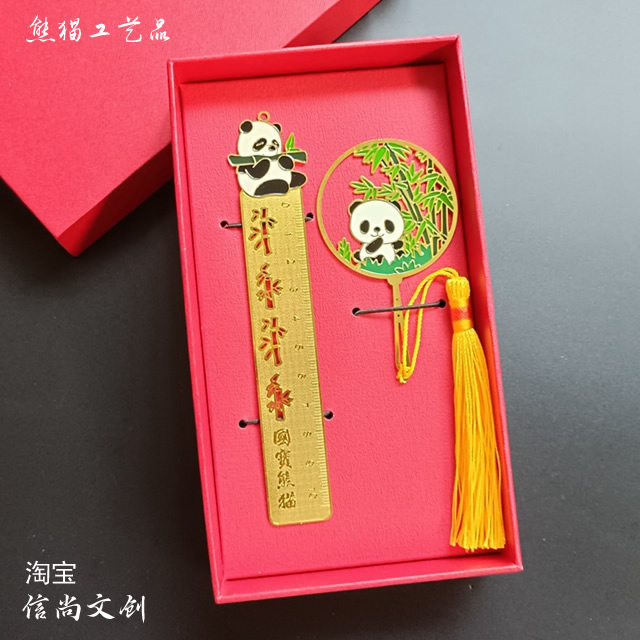
Introducing your friend to a new experience or aspect of your culture can be a wonderful gift. Consider sharing a traditional item from your country, such as a piece of art, jewelry, or even a culinary treat. Not only will this allow them to appreciate your culture, but it might also spark a new interest or hobby.
The Power of Simplicity
Sometimes, the simplest gifts can be the most meaningful. A handwritten note, a homemade meal, or even a shared experience like a walk in the park can convey deep feelings of friendship and appreciation. These gifts require little to no monetary investment but are rich in emotional value.
Practicality vs. Sentimentality
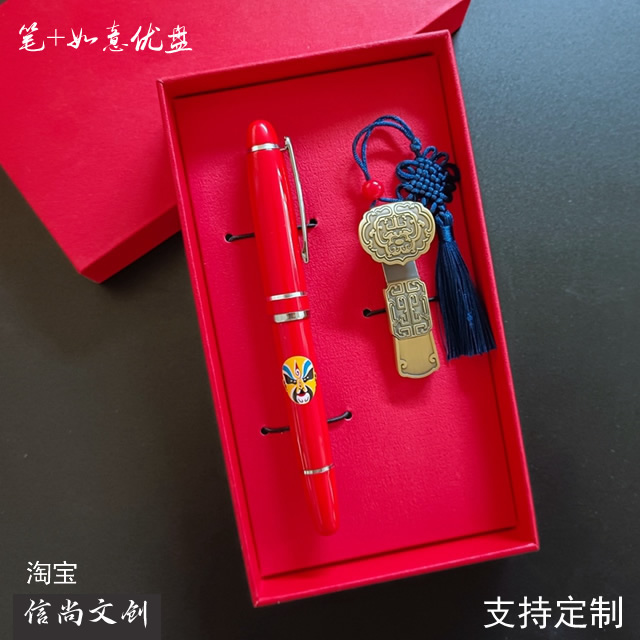
Strike a balance between practicality and sentimentality. While a useful gift like a kitchen appliance or a set of stationery might be appreciated for its functionality, a sentimental gift like a photo album or a custom-made piece of jewelry might be cherished for its emotional significance.
The Etiquette of Giving
Presentation is everything. Ensure that your gift is neatly wrapped and presented in a thoughtful manner. In some cultures, it is customary to give gifts with both hands or to refuse a gift initially as a sign of politeness before accepting it. Familiarize yourself with these etiquette rules to avoid any awkward moments.
The Joy of Receiving
Finally, remember that the joy of receiving a gift is often matched by the joy of giving. Put thought and love into your selection, and your friend will surely feel the warmth of your gesture. After all, a gift is not just about the object itself but about the feelings and connections it fosters.
In conclusion, selecting a gift for a foreign friend is an exercise in cultural understanding and personal connection. By considering the cultural context, personal preferences, and the message you want to convey, you can find a gift that is both meaningful and appropriate. Remember, it is the thought that counts, and a gift given with love and consideration will always be treasured.