服务热线
177-2116-7289

In the vibrant tapestry of global interactions, gift-giving stands as a universal language of kindness and respect. However, when it comes to selecting presents for foreign friends, the task can be fraught with cultural complexities and subtleties. This guide aims to assist in navigating these waters, ensuring that your gift not only delights but also demonstrates a thoughtful understanding of your recipient's cultural background.
The first step in choosing a gift is to familiarize yourself with the cultural norms and preferences of your friend's country. What is considered appropriate and appreciated in one culture may be seen as inappropriate or even offensive in another. For instance, while a bottle of wine might be a perfect hostess gift in many Western countries, it could be frowned upon in Muslim-majority nations due to religious restrictions on alcohol consumption.
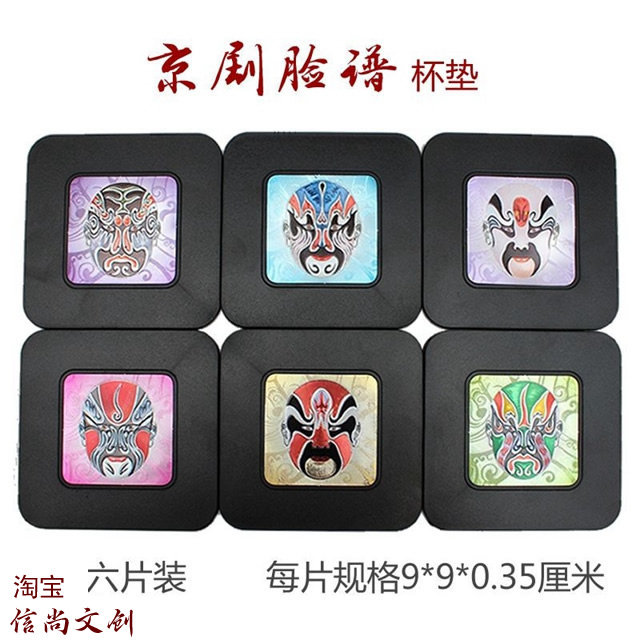
Is the gift for a special occasion like a birthday, anniversary, or holiday? Or is it a token of appreciation for a favor or hospitality extended? Knowing the context of the gift helps determine its appropriateness and expected value. For example, gifts exchanged during Chinese New Year often carry symbolic meanings related to luck, prosperity, and health, whereas a housewarming gift might be more functional, such as a set of kitchenware.
A great way to ensure your gift is well-received is to tailor it to the recipient's interests and hobbies. If your friend is an avid reader, a bestseller from their favorite genre or a classic work of literature from your country could be a thoughtful choice. For the foodie, a basket of local delicacies or a cookbook featuring your national cuisine might hit the spot.
In many cultures, quality is valued over quantity, especially when it comes to gifts. It is better to give one well-chosen, high-quality item than several cheap and tacky ones. This does not necessarily mean expensive; it's about selecting something that is durable, useful, and/or beautiful. Handmade items, artisanal goods, and fair-trade products are excellent choices as they often combine uniqueness with quality.
Be mindful of stereotypes and clichés when selecting gifts. Avoid anything that might be interpreted as patronizing or offensive, even if it seems harmless or amusing to you. For instance, a sombrero or a mariachi outfit might seem like a fun and quirky gift for a Mexican friend, but it reinforces stereotypes and could be seen as disrespectful.
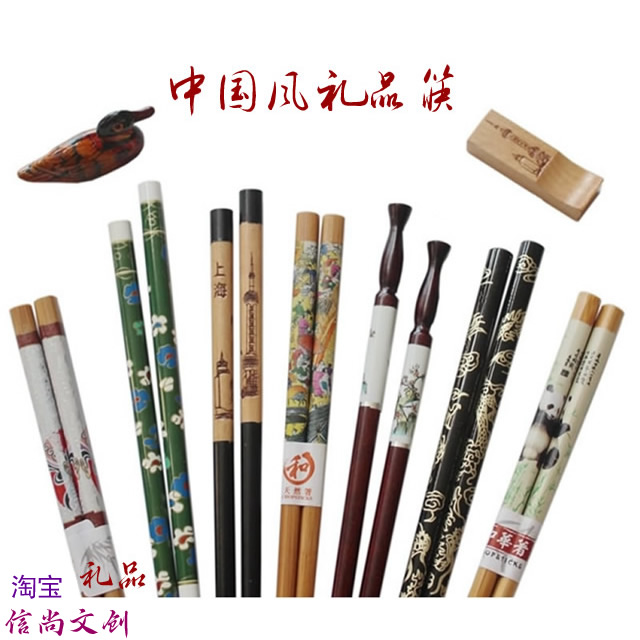
Presentation is everything, and this is especially true when it comes to gift-giving. Take care to wrap your gift neatly and attractively, using culturally appropriate colors and motifs if possible. A beautiful ribbon, a handwritten note, or even a sprig of fresh flowers can elevate a simple package into something special.
While it's important to consider your recipient's preferences, don't be afraid to introduce them to something new and unexpected. A gift that reflects your culture or a unique aspect of your lifestyle can be a wonderful way to share a piece of yourself and foster cultural exchange. Just make sure it's something that can be appreciated and enjoyed, not just something odd or exotic.
In some cultures, bragging or showing off is frowned upon. When presenting a gift, avoid making a big show or drawing too much attention to its cost or rarity. A simple, heartfelt gesture is often more appreciated than an ostentatious display.
Gift-giving often involves certain protocols that vary from culture to culture. In Japan, for instance, it is customary to present gifts with both hands and to receive them with both hands as well. In the Middle East, it is common to refuse a gift two or three times before accepting it as a sign of politeness. Familiarize yourself with these customs to avoid any awkward moments.
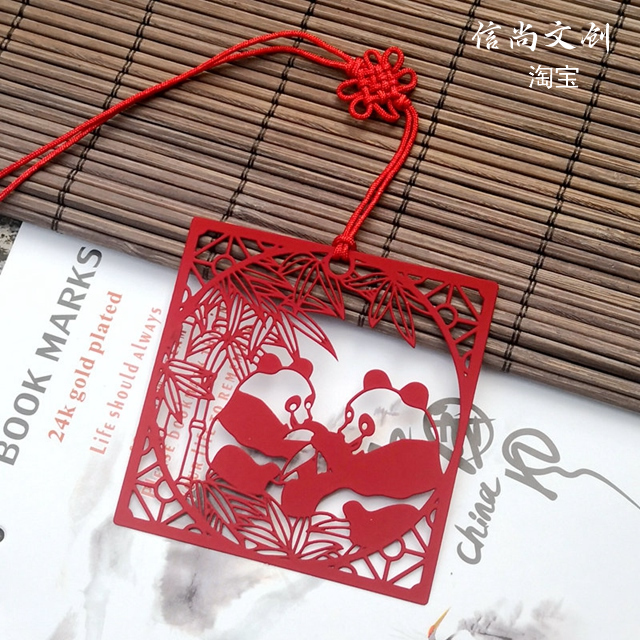
Finally, remember that it's the thought that counts. A gift that is carefully chosen and given with love and consideration will always be appreciated, regardless of its price tag. Take the time to select something that speaks to your friendship and the unique bond you share with your foreign friend. After all, the best gifts are those that come from the heart.